WORLD · MARRAKECH, MOROCCO
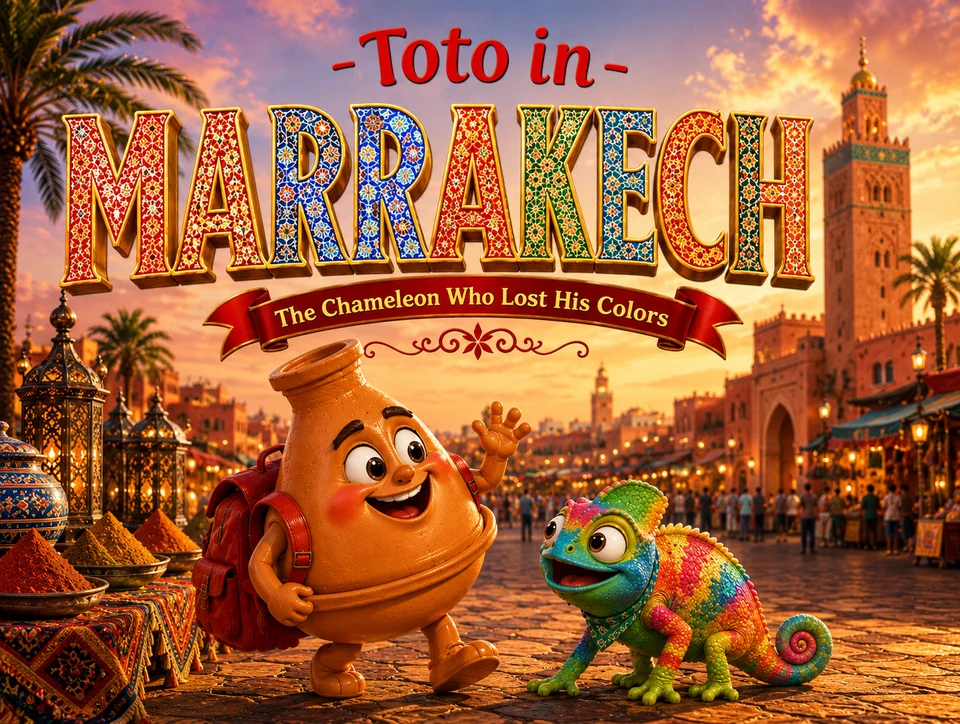
Toto in Marrakech
The Chameleon Who Lost His Colors
A colourful city. A chameleon with big feelings. A friend ready to listen.
Join Toto and Zayane in Marrakech for an adventure about noticing colour, understanding feelings and exploring together.
Ages 4–8 · Illustrated adventure
Get the book on Amazon. Opens in a new tab.
Explore Marrakech with Toto
Get the book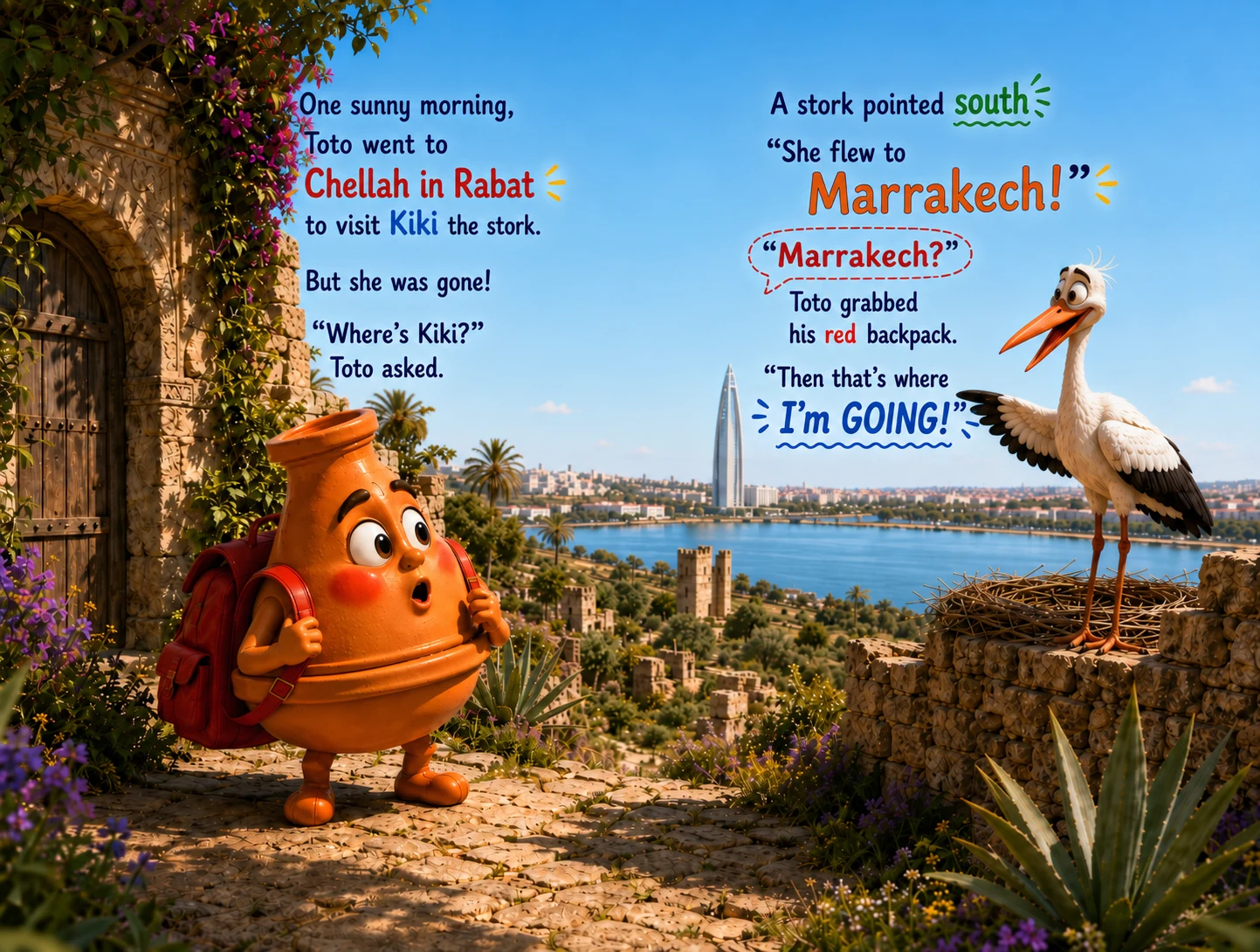
Set out
A new journey begins with a question: where to next?
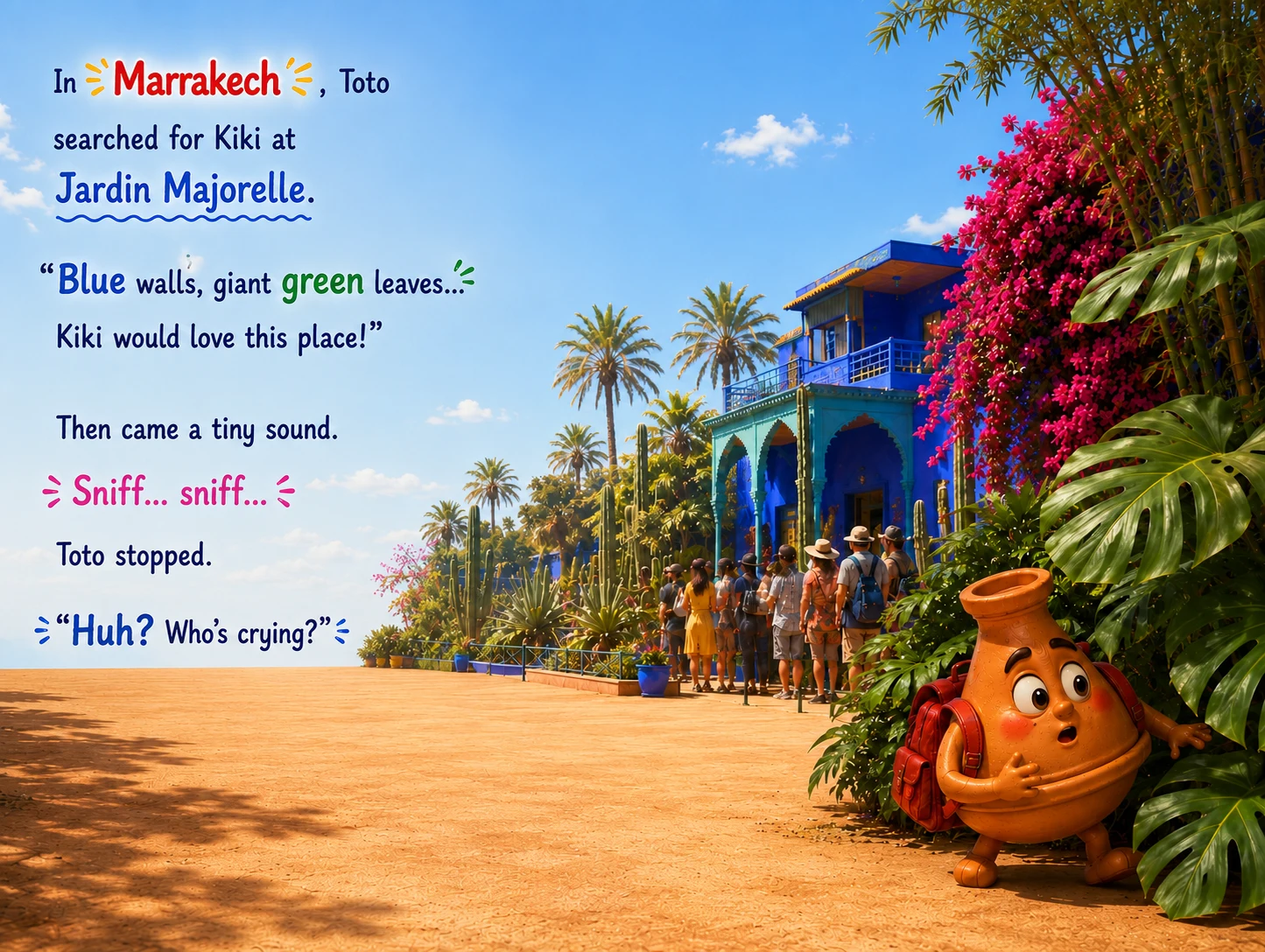
Notice
Blue walls, giant leaves, and something unexpected in the garden.
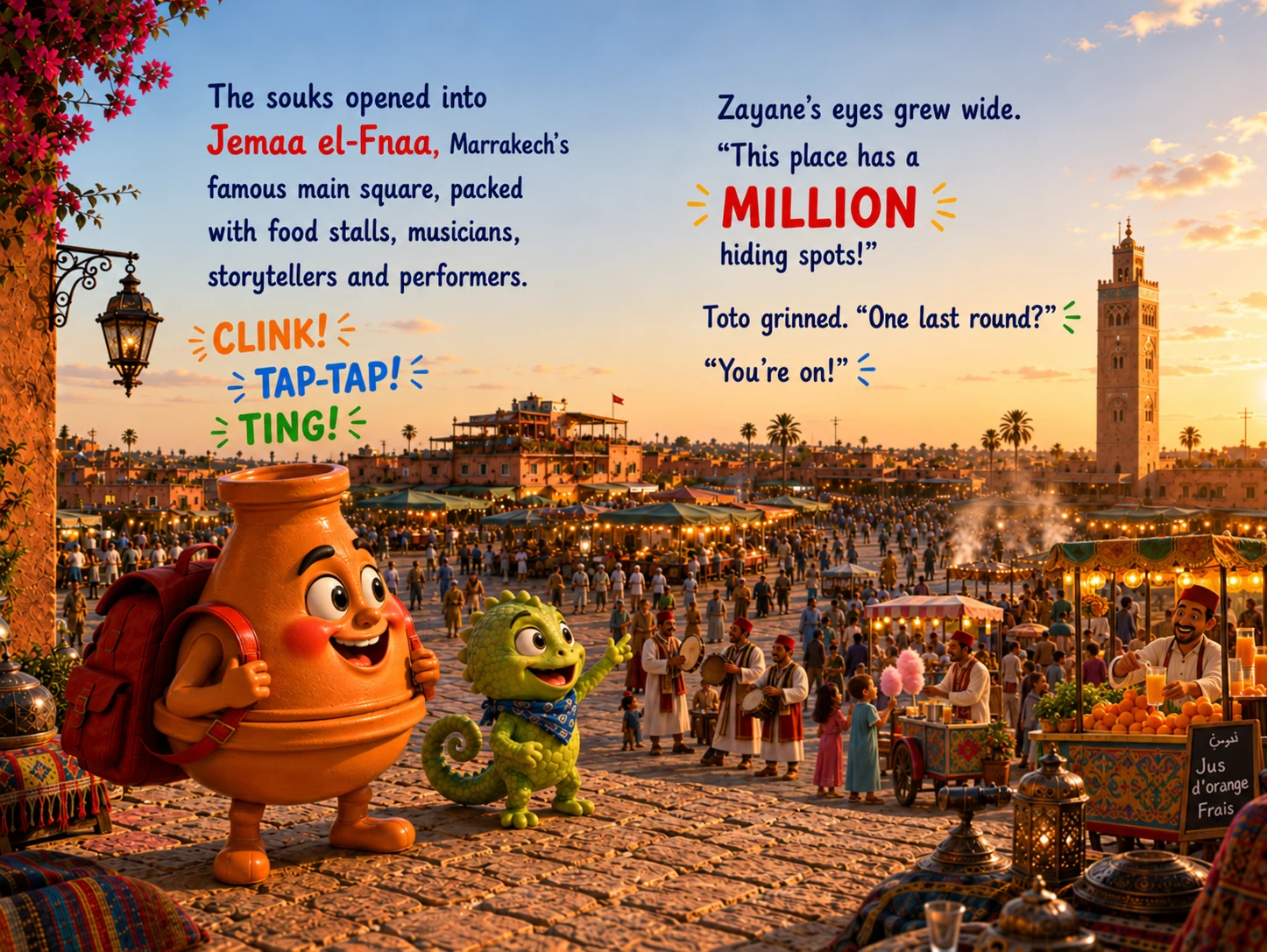
Explore
Discover a square filled with food, music and stories.
Peek inside
A few pages from the book, with little details to discover together.
Scroll to turn through the preview.

Talk about it together
The story doesn’t have to end when you close the book.
Pick one question. Listen, wonder and follow their lead.
How do you think Zayane feels?
Ask, “What do you notice?” Let your child use the pictures, a gesture or a word. Offer two possible feelings only if they would like help, leaving room for another answer.
Reflect rather than correct: “You think he might feel worried.” Ask what made them think that. Two people can read an expression differently.
If your child shares a feeling of their own, acknowledge it before suggesting a solution. They do not need to explain or make it go away. Staying with the character is fine too.
What could Toto say to a friend with a big feeling?
Invite your child to imagine the conversation. Try, “Would Zayane want someone to listen, some company, or a little space?” There is no single answer.
Use toys to practise asking, “Would you like me to stay?” Help your child notice that listening is different from telling someone to cheer up.
Share a simple example of how you ask for support. Keep the responsibility with grown-ups: your child does not have to fix another person’s feelings.
Which colours catch your eye in Marrakech?
Choose one picture and look slowly. Let your child point out a colour, pattern or tiny detail, without making it a race.
Ask, “What does that remind you of?” If they connect a colour with a feeling, welcome their choice. Colours do not have one correct emotion attached to them.
Find the same colour somewhere nearby or draw a new garden. Let the activity remain playful, and stop before noticing becomes a task.
What would you like to discover in the square?
Follow your child’s eye around the illustration. Ask, “Where would you want to stop?” Then explore why that detail interests them.
Imagine sounds, smells or a question for a storyteller. Make clear what the picture shows and what you are inventing together.
Compare something familiar with something new, without ranking places or assuming everyone lives the same way. If a question comes up, look for an answer together with a grown-up.
What helps you when everything feels a bit much?
Begin with a pretend situation or the story, so your child does not have to share something personal. Ask, “What might help a character take a pause?”
Offer choices such as sitting together, a quiet space, drawing or a comfortable breath. Let them choose, and do not insist on breathing or talking if they dislike it.
Try one small idea together when things are calm. Explain that asking a trusted grown-up for help is always an option. This is a conversation, not a promise that one activity will fix a feeling.
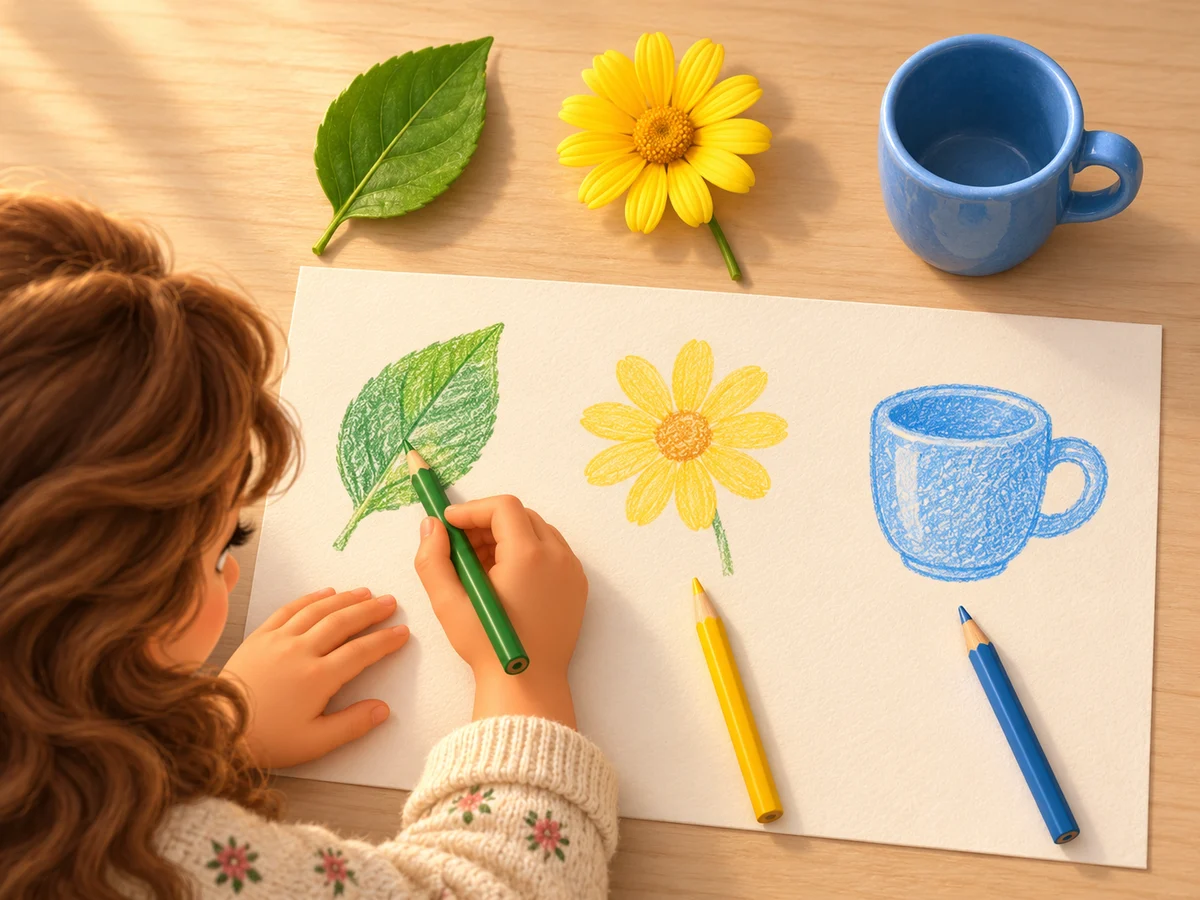
Take a colour walk
Paper · colouring pencils · a grown-up
Choose three colours
Look for them around your room or on a walk together.
Pause and notice
Take your time. A comfortable, gentle breath is optional.
Draw your discoveries
Draw one thing for each colour. How do you feel now?
Make room for every feeling
Let your child choose what to notice and how to describe it. There is no right colour for a feeling, and they do not have to feel calmer afterwards.
Listen before offering a solution. Drawing, sitting quietly or asking a trusted grown-up for help are all options. Stop whenever they have had enough.
Explore with a grown-up, at your own pace. No book needed.
Get the bookWhere should Toto go next?

WORLD · LISBON
Think Outside the Water
Explore Lisbon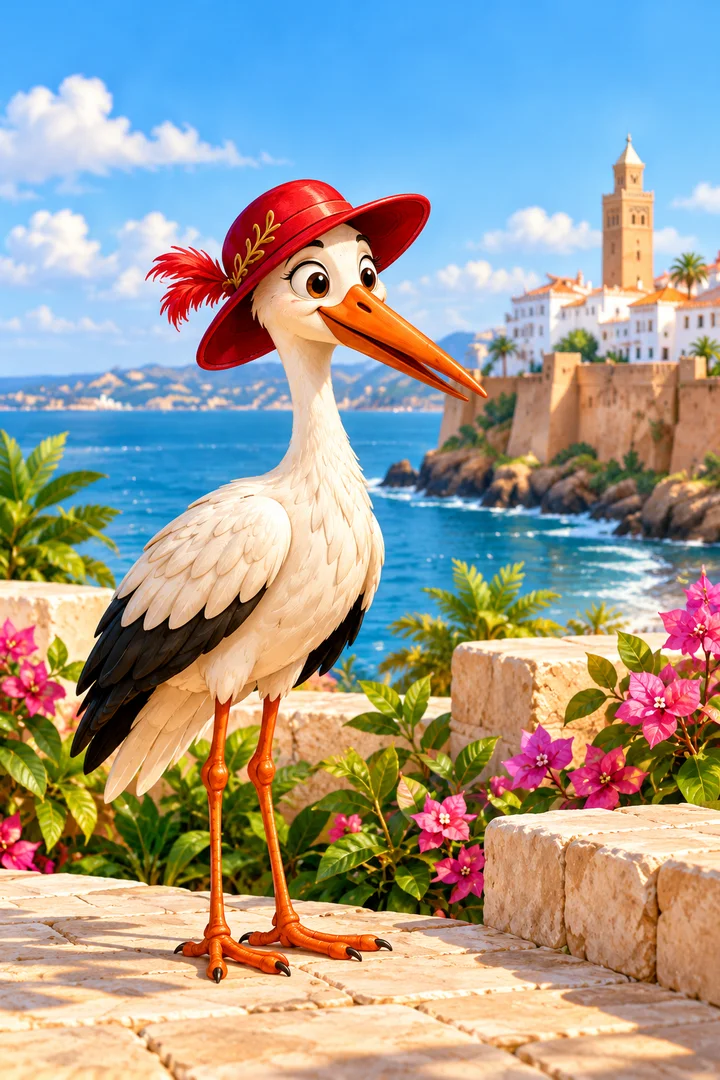
WORLD · RABAT
The Stork Looking for a Nest
Explore RabatKeep the adventure going
Discover Toto Club for family activities, missions and new adventures to explore together.
Free for parents and caregivers. Signups opening soon.